
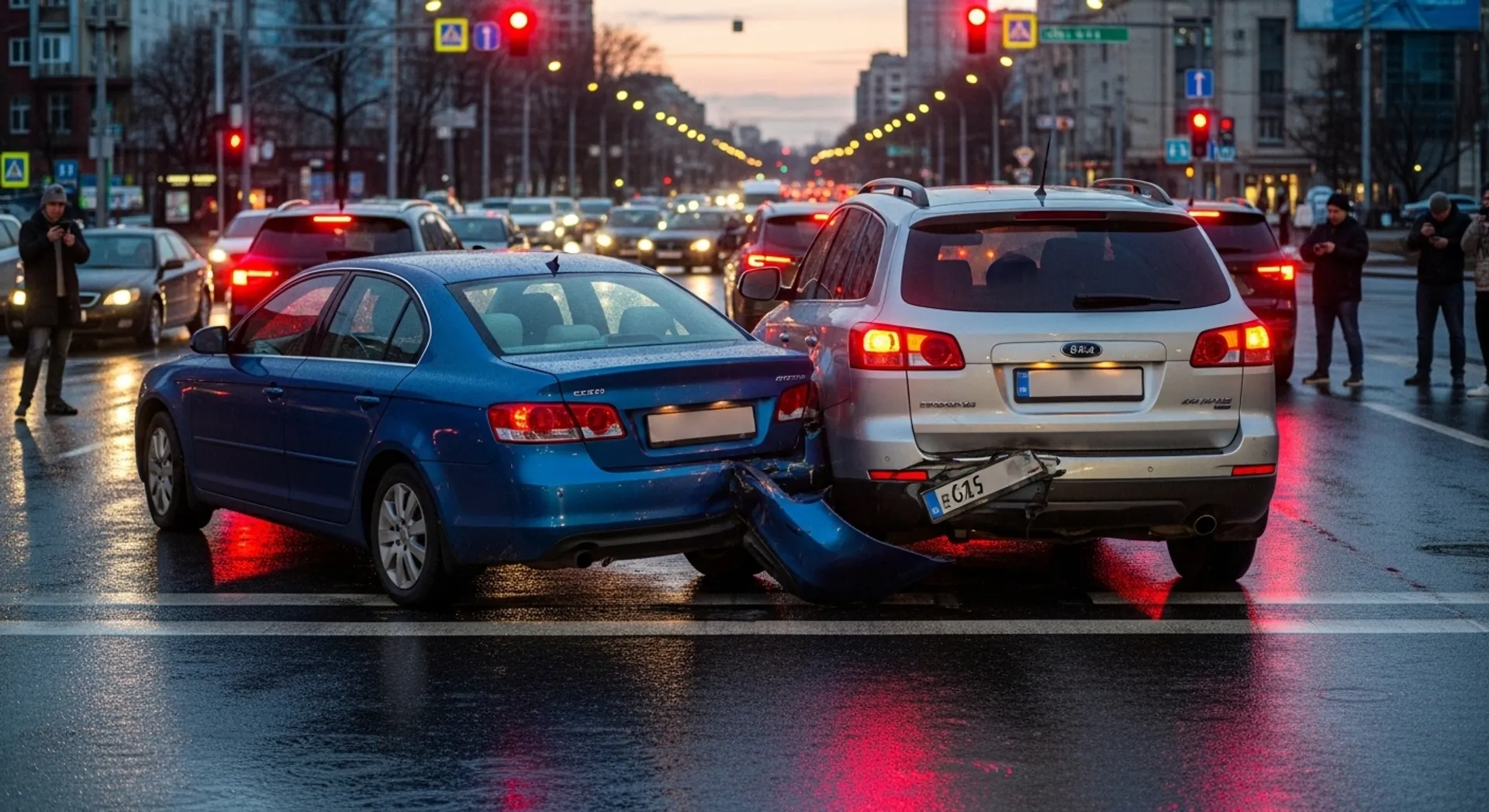
Los accidentes por alcance son uno de los tipos más comunes de colisiones de tráfico. Debido a su gran frecuencia, muchos conductores dan por sentado que la culpa es automática y que el conductor que viene por detrás siempre es el responsable. Aunque esta suposición suele ser cierta, la culpa en un accidente por alcance no siempre es tan clara como las compañías de seguros quieren hacer creer.
La responsabilidad en una colisión por alcance depende de múltiples factores, entre ellos el comportamiento del conductor, el estado del vehículo, las circunstancias de la carretera y las pruebas disponibles. Comprender cómo se determina la culpa puede ayudar a las víctimas de accidentes a proteger sus derechos y evitar que se les culpe injustamente.
Por qué son tan comunes los accidentes por alcance
Las colisiones por alcance suelen producirse en situaciones de tráfico congestionado, en cruces o en condiciones de conducción con paradas y arranques frecuentes. Estos accidentes suelen ocurrir cuando los conductores no dejan suficiente distancia entre vehículos o se distraen, aunque sea por un breve instante.
Entre las causas habituales de los accidentes por alcance se encuentran la conducción distraída, seguir demasiado de cerca al vehículo de delante, el exceso de velocidad, la fatiga, la conducción bajo los efectos del alcohol o las drogas y las malas condiciones meteorológicas. Con el aumento del uso de los teléfonos móviles y la tecnología a bordo de los vehículos, las distracciones se han convertido en uno de los principales factores que contribuyen a estos accidentes.
Según la Administración Nacional de Seguridad Vial (NHTSA), la conducción distraída sigue siendo una de las principales causas de los accidentes de tráfico, incluidas las colisiones por alcance. Incluso los choques a baja velocidad pueden provocar lesiones graves y complicaciones médicas a largo plazo.
La regla general: presunción de culpa del conductor trasero
En la mayoría de los accidentes por alcance, se presume que el conductor que golpea a otro vehículo por detrás es el culpable. Las normas de tráfico exigen a los conductores mantener una distancia de seguridad y anticiparse a los cambios repentinos en el flujo del tráfico. Cuando un conductor no consigue frenar a tiempo, a menudo se da por hecho que circulaba a una velocidad excesiva o que no prestaba la atención suficiente.
Esta presunción existe porque el conductor que viene por detrás suele tener la mejor oportunidad de evitar el choque. Sin embargo, la presunción de culpa no implica que la culpa sea automática. La presunción puede rebatirse cuando las pruebas demuestren que otro factor contribuyó a la colisión.
Cuándo el conductor del vehículo delantero puede ser parcial o totalmente culpable
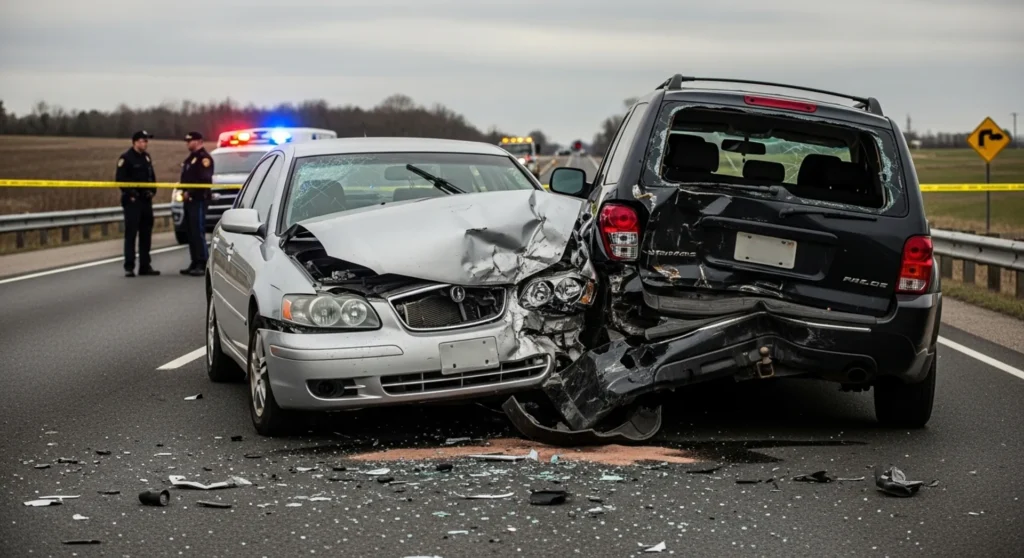
Hay situaciones en las que el vehículo que va delante puede compartir o asumir la responsabilidad de un accidente por alcance. Estos supuestos son fundamentales a la hora de evaluar la culpa en un accidente por alcance y no deben pasarse por alto.
- Frenazo repentino sin motivo válido: las paradas bruscas sin que existan peligros en el tráfico, emergencias o señales pueden cambiar la responsabilidad.
- Luces de freno que no funcionan: si las luces de freno están averiadas u ocultas, es posible que el conductor que viene por detrás no reciba la advertencia adecuada.
Parada ilegal: detenerse en carriles de circulación, cruces o zonas restringidas puede contribuir a la culpa. - Cambios de carril peligrosos: cruzarse por delante de otro vehículo sin dejar espacio suficiente para frenar con seguridad.
Estas circunstancias requieren una investigación minuciosa y, a menudo, constituyen la base para impugnar la determinación inicial de responsabilidad de una compañía de seguros.
El papel de los informes policiales en la determinación de la responsabilidad
Los informes policiales suelen desempeñar un papel importante en las reclamaciones por accidentes por alcance. Los agentes pueden imponer multas por seguir demasiado de cerca, conducir distraído u otras infracciones de tráfico. Aunque estos informes son influyentes, no siempre son concluyentes.
Los agentes de policía suelen llegar una vez que se ha producido el accidente y deben basarse en declaraciones, pruebas físicas y sus propias observaciones. En algunos casos, pruebas adicionales, como grabaciones de vídeo o testimonios de testigos, pueden contradecir las conclusiones del informe.
Cómo evalúan las compañías de seguros la responsabilidad en los accidentes por alcance
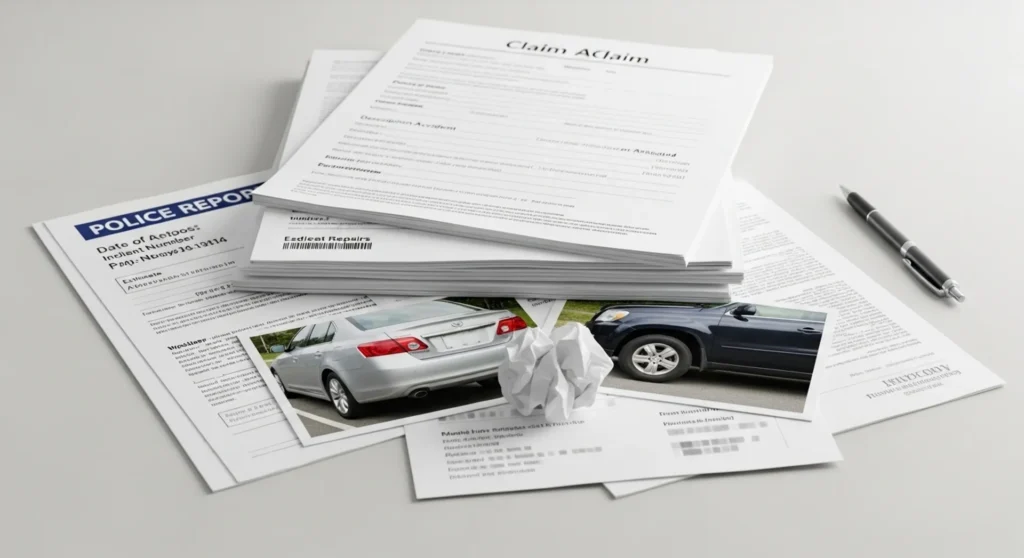
Las compañías de seguros suelen iniciar la tramitación de las reclamaciones por accidentes por alcance partiendo de la premisa de que el conductor que viene por detrás es el responsable. Este enfoque les permite tramitar las reclamaciones con rapidez y, a menudo, da lugar a ofertas de indemnización bajas que no reflejan la gravedad real de las lesiones.
Los peritos de seguros examinan diversos tipos de pruebas, entre las que se incluyen:
- Informes policiales y de accidente
- Fotografías de los daños del vehículo y del estado de la carretera
- Declaraciones de los conductores y testigos
- Imágenes de cámaras de tráfico o de salpicadero
- Historiales médicos y presupuestos de reparación del vehículo
Dado que las aseguradoras se centran en minimizar los pagos, a menudo se aconseja a las víctimas de accidentes que consulten a un abogado especializado en lesiones personales antes de aceptar cualquier oferta de indemnización.
Lesiones habituales causadas por accidentes por alcance
Las colisiones por alcance son conocidas por causar lesiones que pueden no manifestarse de inmediato. Incluso los impactos a baja velocidad pueden provocar afecciones médicas graves.
- Lumbargia y distensión cervical
- Hernias o protuberancias discales
- Lesiones en la zona lumbar
- Conmociones cerebrales y lesiones cerebrales traumáticas
- Lesiones de tejidos blandos y dolor crónico
Es habitual que los síntomas aparezcan de forma tardía, por lo que nunca se debe retrasar la evaluación médica tras un accidente por alcance.
Qué hacer tras un accidente por alcance
Tomar las medidas adecuadas inmediatamente después de un accidente puede proteger su salud y su reclamación legal:
- Acuda al médico, aunque las lesiones parezcan leves.
- Póngase en contacto con la policía y solicite un atestado oficial del accidente.
- Fotografíe los daños del vehículo, el estado de la calzada y las lesiones visibles.
- Recopile los nombres y datos de contacto de los testigos.
- Evite admitir la culpa o proporcionar declaraciones grabadas a las compañías de seguros.
Una documentación precisa puede marcar una diferencia significativa a la hora de determinar la responsabilidad y los daños y perjuicios.
Culpa compartida y negligencia comparativa
En algunos accidentes por alcance, la culpa puede ser compartida entre los conductores. Las leyes de negligencia comparativa permiten dividir la responsabilidad en función de las acciones de cada parte. Por ejemplo, un conductor que circulaba por detrás y seguía demasiado de cerca al vehículo de delante podría obtener una indemnización si el conductor de delante se detuvo de forma ilegal o tenía las luces de freno defectuosas.
Para comprender cómo se aplica la culpa comparativa es necesario conocer las leyes específicas de cada estado y las prácticas de las aseguradoras.
Cuándo ponerse en contacto con un abogado especializado en lesiones personales
Si has sufrido lesiones, daños en el vehículo o pérdida de ingresos debido a una colisión por alcance, hablar con un abogado puede ayudarte a proteger tu reclamación. La representación legal garantiza que la culpa del accidente por alcance se evalúe de forma justa y que las aseguradoras no se aprovechen de tu situación.
Para obtener más información sobre nuestra experiencia y nuestro enfoque centrado en el cliente, visita nuestra página Quiénes somos.
Reflexiones finales sobre la culpa en los accidentes por alcance
La culpa en los accidentes por alcance suele presumirse, pero no siempre es automática. Hay múltiples factores que influyen en la responsabilidad, y las compañías de seguros no siempre llevan a cabo investigaciones exhaustivas. Conocer tus derechos y actuar con prontitud puede influir significativamente en el resultado de tu caso.
Si has sufrido un accidente por alcance y tienes dudas sobre la responsabilidad o la indemnización, buscar asesoramiento jurídico profesional puede ayudarte a seguir adelante con claridad y confianza.