
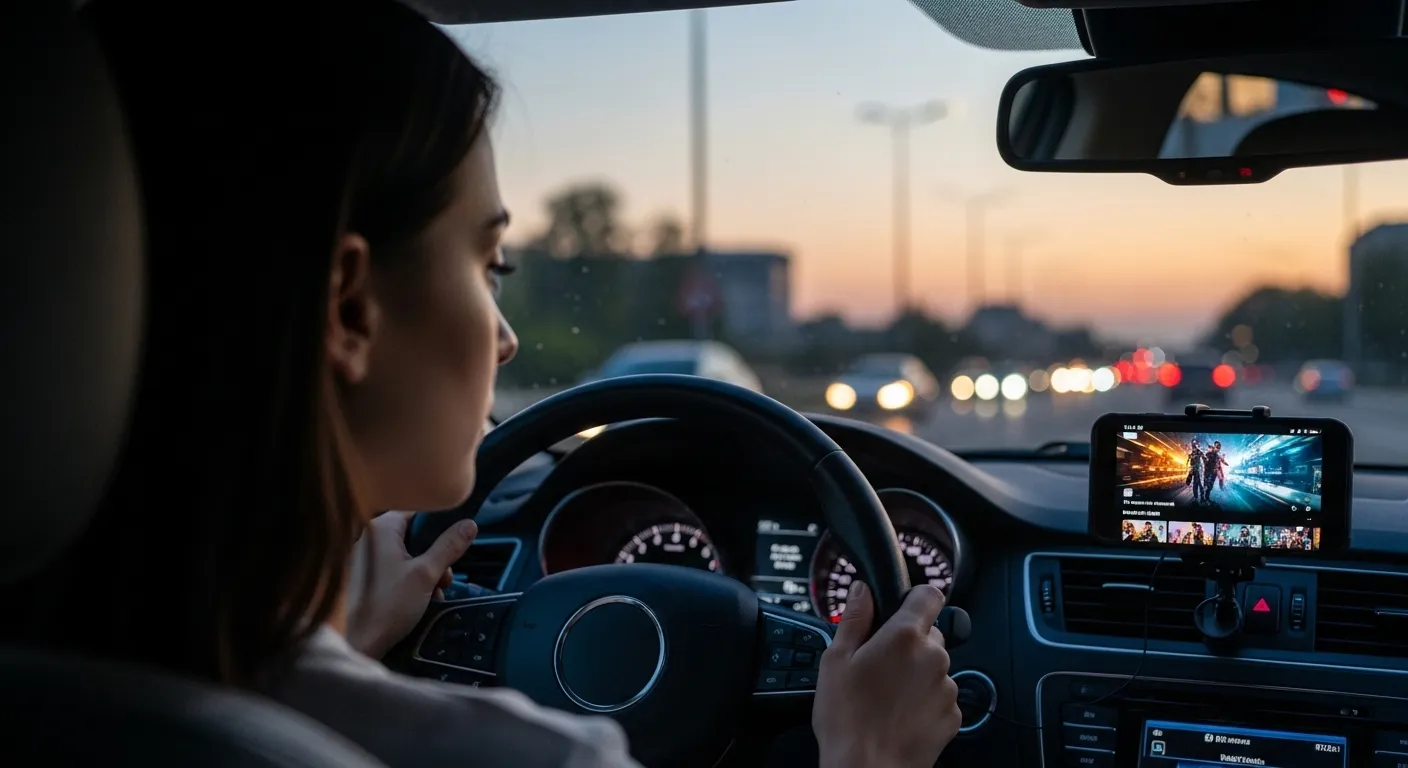
Distracted driving is not new, but the type of distraction is changing fast. A few years ago, most people thought about texting, dialing, or checking a notification. Now the problem is broader. Drivers are watching short-form videos, streaming longer content, glancing at social feeds, and relying on larger in-car screens that make it easier to drift away from the road. That makes video streaming while driving a serious safety issue and, after a collision, a serious liability issue.
For injury victims, this matters because distraction is not just about careless behavior. It can become the centerpiece of an injury claim. If the other driver was watching a video, using a streaming app, or relying too heavily on a dashboard display while traffic was moving, that evidence can strengthen a case. It may help explain delayed braking, failure to yield, lane drifting, rear-end impact, or a driver’s inability to avoid a hazard that should have been obvious.
At the same time, these cases are not always simple. Drivers rarely admit they were watching content. Phone records do not always tell the full story. In-car systems can muddy the timeline. Insurance companies often push back hard when distraction is alleged, especially if they think they can frame the crash as an ordinary mistake instead of a preventable act of negligence.
This guide explains how video streaming while driving can affect fault, what evidence matters most, how insurers try to weaken these claims, and what an injured person should do right away to protect both their health and their case.
Why Video Streaming While Driving Changes the Case
Not every distracted-driving case looks the same. Texting is one type of distraction. Eating is another. Video is different because it can pull the driver’s eyes, hands, and attention away from driving at the same time. That matters because many crashes come down to reaction time. A few seconds of inattention can mean the difference between stopping safely and hitting another vehicle, a cyclist, or a pedestrian.
From a legal standpoint, video streaming while driving can support a stronger negligence argument because it suggests a more active and sustained distraction than a quick glance at a dashboard. If a driver was watching TikTok clips, a livestream, YouTube, or another video source while moving, that behavior can help show they breached their duty to operate the vehicle safely.
That is especially important in rear-end collisions and intersection crashes. If a driver claims they “never saw traffic stop” or “didn’t notice the light change,” video use can help explain why. If your crash involved a chain-reaction collision or a sudden failure to react, this is a useful related read: Rear-End Accidents: Who Is Really at Fault?
The Types of Evidence That Can Prove Streaming or Screen Distraction
The biggest challenge in a distraction case is proof. Most drivers do not volunteer that they were watching video content. Some deny touching their phone at all. Others claim they were only using navigation. That is why evidence matters so much.
Strong evidence in a video streaming while driving claim can include:
- Phone records and app activity: These may help show whether the driver was actively using a streaming or social media app near the time of the collision.
- Vehicle infotainment data: In some cases, the vehicle’s system may log certain interactions, media use, or connected-device activity.
- Dashcam footage: This can show lane drifting, delayed braking, rolling through traffic, or the driver looking down repeatedly.
- Traffic camera or surveillance footage: Nearby businesses, intersections, and homes sometimes capture the moments before impact.
- Witness statements: A nearby driver, passenger, cyclist, or pedestrian may have seen the other motorist holding a phone or staring at a screen.
- Police observations: An officer may note statements, device visibility, or other signs of distraction in the crash report.
If you already know distraction may be part of the case, move quickly. Digital evidence can disappear faster than people think. Some systems overwrite logs. Some witnesses become hard to find. Some businesses erase surveillance footage within days. That urgency is one reason timing matters so much after a crash. For a related post already on your site, link readers here: When Should You Hire a Personal Injury Lawyer After an Accident?
Why Modern Cars Can Complicate Liability
One of the trickiest parts of these claims is that distraction no longer comes only from a handheld phone. It can come from built-in screens, media controls, connected apps, driver-assist features, and a false sense that the car can handle more than it really can. Some drivers become less attentive because the vehicle seems to be helping with lane position, speed, or spacing. That does not erase responsibility. In many cases, it just creates a different trail of evidence.
That matters because a distracted driver may try to blame the technology, the road, traffic, or even your actions. But if the technology was only meant to assist and not replace active driving, the basic negligence issue remains: was the driver paying enough attention to operate safely?
This is also why these cases should not be oversimplified. A driver may not have been holding a phone in plain view, but they may still have been dangerously distracted by video or screen-based content. The liability question is not whether the distraction looked modern or convenient. The question is whether it contributed to the crash.
Common Injury Patterns in These Crashes
Collisions caused by screen distraction often happen because the distracted driver reacts late or not at all. That can lead to high-force impacts, especially in rear-end crashes, lane-change collisions, and intersection wrecks. The injuries can range from apparently minor soreness to serious long-term harm.
Common injuries include:
- Whiplash and neck strain
- Back injuries and disc problems
- Shoulder and knee trauma
- Concussions and head injuries
- Fractures
- Chest injuries from seat belt or steering-wheel impact
One problem injury victims face is that symptoms do not always hit at the scene. Someone may walk away feeling shaken but functional, only to develop worsening pain, headaches, numbness, or stiffness later. That delay creates an opening for the insurance company to argue the injuries were minor or unrelated. You already have a perfect internal link for that point: Injury Symptoms That Appear Days After a Car Accident.
How Insurance Companies Try to Shrink These Claims
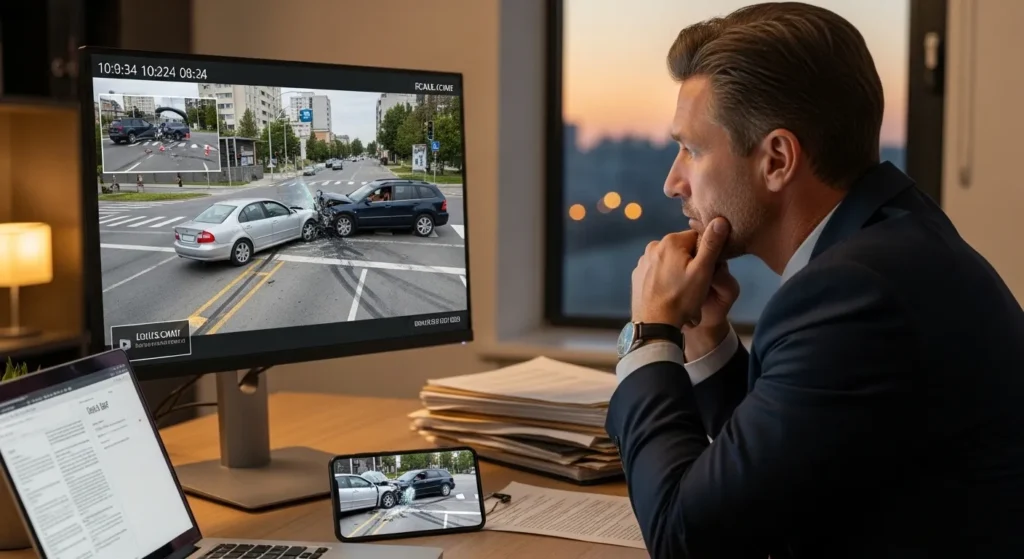
Insurers do not automatically accept a distraction theory just because it sounds plausible. In fact, they often attack it from several directions at once. They may argue there is not enough proof the driver was streaming. They may say the crash was unavoidable. They may minimize the seriousness of the distraction. And if your treatment timeline is not clean, they may also downplay your injuries.
That is why video streaming while driving cases often become evidence cases and credibility cases at the same time. The insurer is not just evaluating fault. It is looking for gaps it can exploit. If it cannot fully deny the claim, it may still try to lower the payout by disputing medical treatment, arguing comparative fault, or pushing for a fast settlement before the full picture is clear.
This is a natural place to add another internal link: Why Insurance Companies Lowball Injury Claims.
What To Do Right After a Crash if You Suspect Streaming Was Involved
If you think the other driver may have been watching video, do not guess wildly and do not argue at the scene. Focus on protecting yourself and preserving facts.
- Call for medical help if needed. Your health comes first, and early evaluation also creates useful documentation.
- Report the crash. A police report helps lock in the basic timeline and identities.
- Take photos and video. Capture vehicle damage, debris, lane positions, skid marks, traffic signals, and anything visible in the other vehicle.
- Get witness information. Independent witnesses can make a huge difference if they saw the driver looking at a screen.
- Write down what was said. If the driver admits they were watching something, using the screen, or “only looking for a second,” note it immediately.
- Do not rush into a recorded statement. Early insurer calls are often about limiting exposure, not helping you.
If there is a credible chance the case involves digital evidence, that evidence should be preserved early. That is one of the strongest practical reasons to involve counsel sooner rather than later.
When This Type of Case Deserves Legal Help
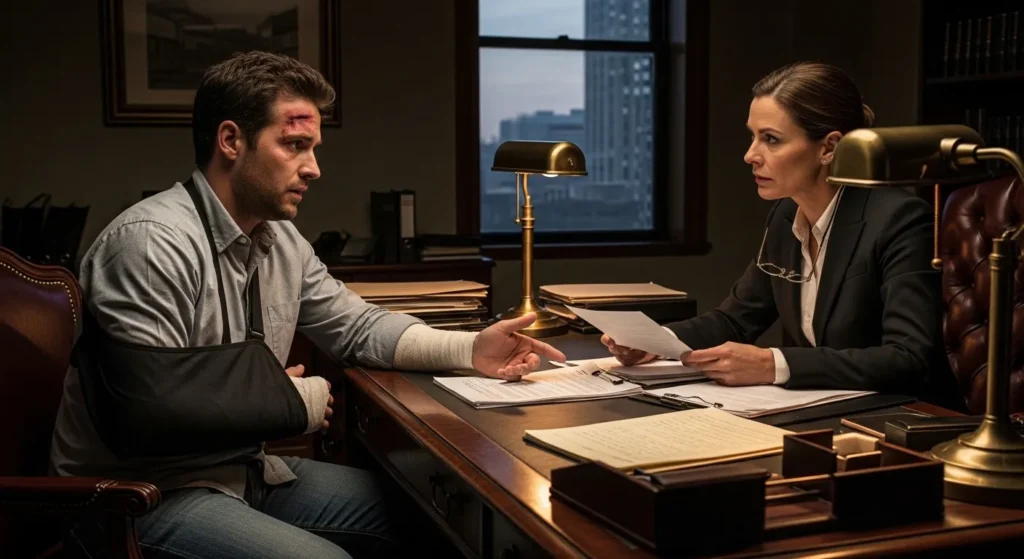
Not every accident requires a lawyer, but the need grows quickly when the crash involves disputed distraction, meaningful injuries, confusing digital evidence, or an insurer that starts minimizing the case. These claims can become more technical than ordinary wrecks because the proof may involve app use, metadata, infotainment logs, or timing arguments that an injured person cannot easily gather alone.
If your injuries are more than minor, if fault is being challenged, or if the insurer is already pushing back, legal guidance is usually worth getting early. Your existing post on that issue is a strong supporting link, and it fits this topic naturally because timing matters more when evidence can disappear.
Final Thoughts
Video streaming while driving is not just a bad habit. In the right case, it can become powerful evidence of negligence. As screens take up more space in daily driving, more injury claims are going to turn on what the driver was watching, touching, or trusting just before impact.
For victims, the key is simple: act early, document carefully, get medical care, and do not assume the insurer will connect the dots for you. If distraction played a role, proving it can change how liability is viewed and how seriously your claim is treated.
For general road-safety information on distraction, readers can also review the NHTSA distracted driving overview.