
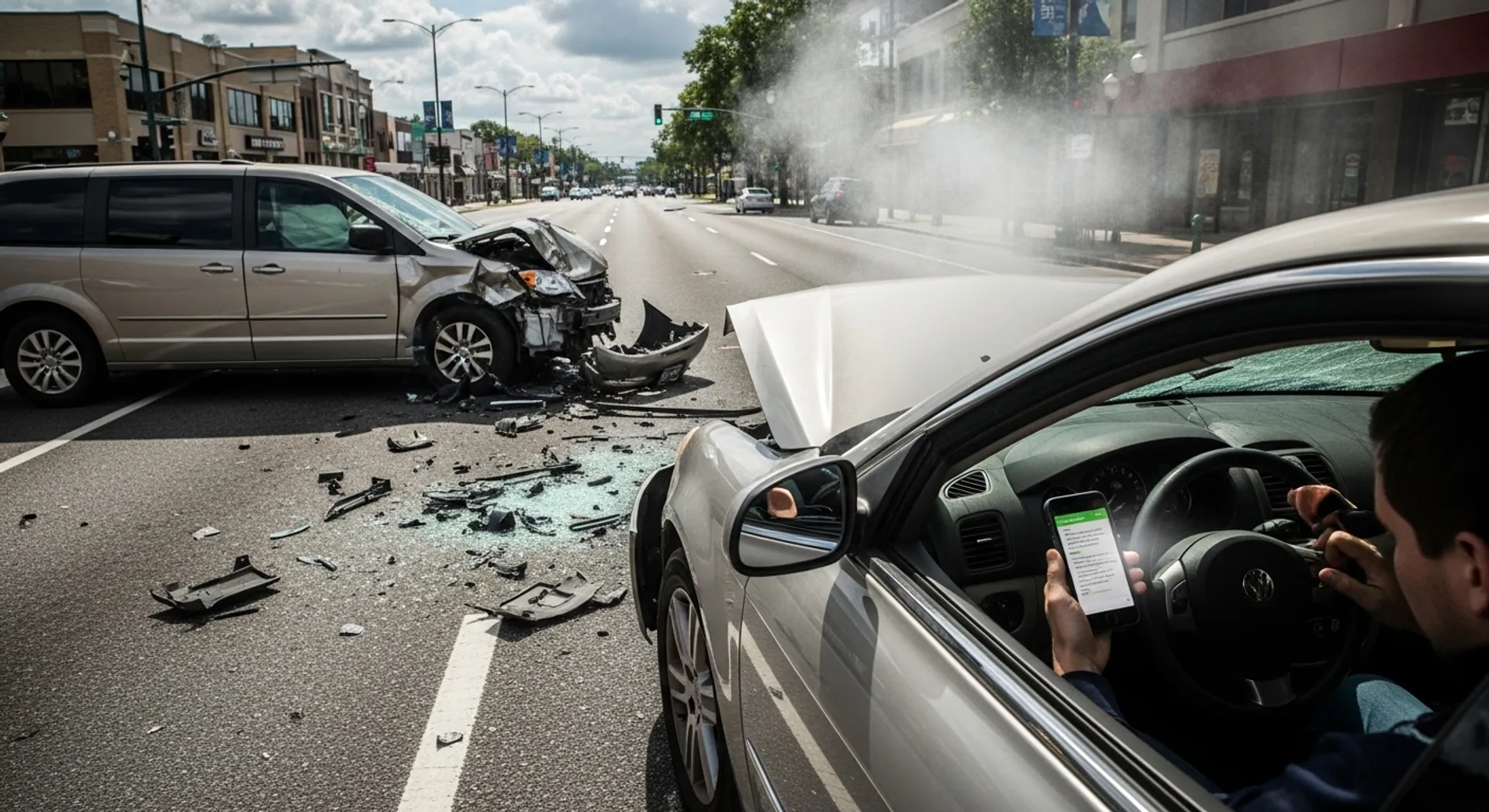
Distracted driving accidents have become one of the leading causes of serious traffic injuries. As mobile phones, navigation systems, and in-vehicle technology become more common, drivers are increasingly tempted to divide their attention between the road and distractions inside the vehicle. When that distraction leads to a crash, determining legal responsibility becomes critical.
Understanding distracted driving accident liability can help injured victims protect their rights and pursue fair compensation after a collision.
What Is Distracted Driving?
Distracted driving occurs whenever a driver’s attention is diverted away from operating their vehicle safely. These distractions are generally grouped into three categories:
- Visual distractions: Taking eyes off the road
- Manual distractions: Taking hands off the wheel
- Cognitive distractions: Taking focus off driving
Texting while driving is particularly dangerous because it involves all three types of distraction at once.
Common Causes of Distracted Driving Accidents
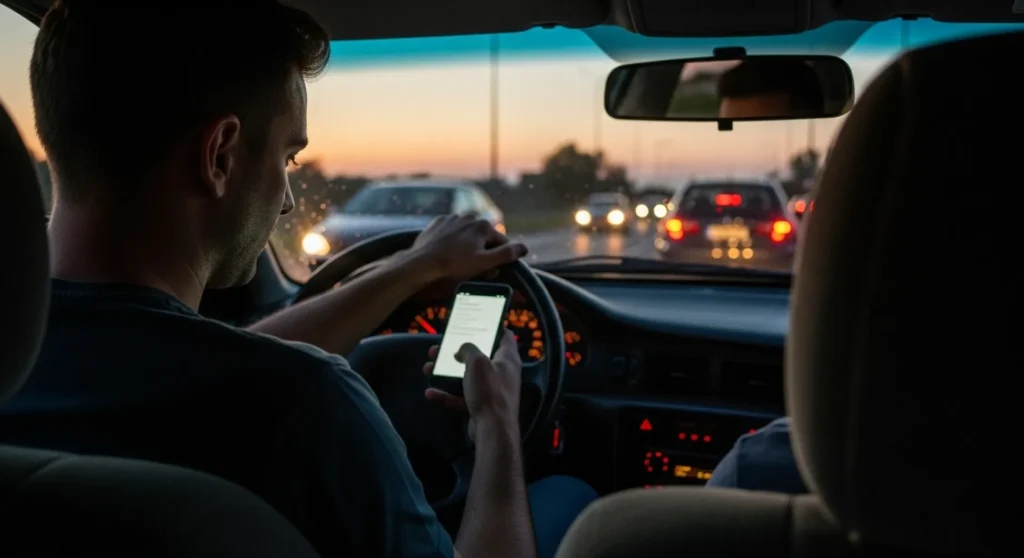
Distracted driving accidents can result from many everyday behaviors drivers mistakenly believe are harmless.
- Texting or using a smartphone
- Using navigation or GPS systems
- Eating or drinking while driving
- Adjusting radio or climate controls
- Interacting with passengers
- Daydreaming or mental distraction
Even a few seconds of inattention can dramatically increase the risk of a collision.
The Scope of the Distracted Driving Problem
Distracted driving continues to be a growing public safety concern. According to the National Highway Traffic Safety Administration, thousands of people are killed each year in crashes involving distracted drivers, and many more suffer serious injuries.
Despite increased awareness and stricter laws, distracted driving remains widespread, particularly among younger drivers and commuters.
How Legal Liability Is Determined
Distracted driving accident liability is typically based on negligence. To establish liability, an injured party must show that:
- The driver owed a duty of care
- The driver breached that duty through distraction
- The breach caused the accident
- The accident resulted in damages
Evidence plays a critical role in proving distracted driving and linking it to the collision.
Evidence Used to Prove Distracted Driving
Proving distraction is often challenging because drivers rarely admit to it. However, several types of evidence may help establish distracted driving accident liability:
- Cell phone records showing texting or calls
- Witness statements
- Dashcam or traffic camera footage
- Vehicle data and infotainment logs
- Police reports and citations
An experienced legal team can identify and preserve this evidence before it is lost.
Shared Fault in Distracted Driving Accidents
In some cases, more than one driver may share responsibility for an accident. Comparative negligence laws allow fault to be divided based on each party’s actions.
For example, a distracted driver may be primarily at fault, but another driver who was speeding or failed to signal could share a portion of liability.
Injuries Commonly Caused by Distracted Driving Accidents
Distracted driving accidents often occur at full speed, leaving little time for drivers to brake or react. As a result, injuries can be severe.
- Whiplash and neck injuries
- Back and spinal injuries
- Traumatic brain injuries
- Broken bones
- Internal injuries
Many of these injuries require long-term medical treatment and rehabilitation.
What to Do After a Distracted Driving Accident
If you suspect distraction played a role in your accident, taking the right steps is essential:
- Seek immediate medical attention.
- Call law enforcement and request a report.
- Document the scene and vehicle damage.
- Collect witness contact information.
- Avoid discussing fault with insurers.
Preserving evidence early can strengthen a distracted driving claim.
How Insurance Companies Handle Distracted Driving Claims
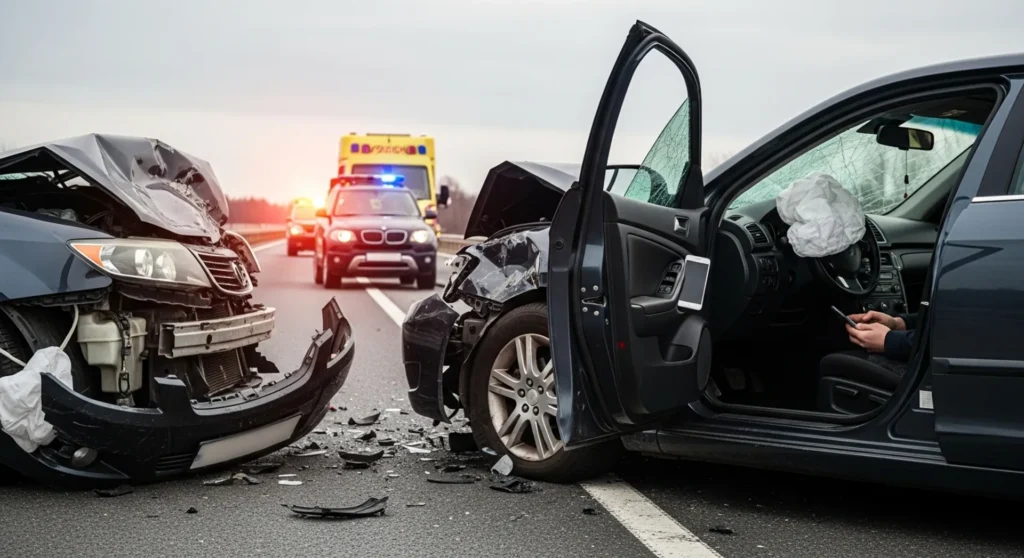
Insurance companies often dispute distracted driving allegations, especially when clear evidence is lacking. Adjusters may attempt to shift blame or minimize injuries.
Working with a personal injury lawyer can help ensure that liability is investigated thoroughly and claims are taken seriously.
The Role of a Personal Injury Lawyer
A lawyer can gather evidence, consult experts, and negotiate with insurers on your behalf. Legal representation is particularly important in distracted driving cases, where proving fault can be complex.
You can learn more about our approach and commitment to injury victims on our About Us page.
Preventing Distracted Driving Accidents
Preventing distracted driving starts with awareness and responsible behavior. Avoiding phone use, setting navigation before driving, and staying focused can reduce the risk of serious accidents.
Final Thoughts on Distracted Driving Accident Liability
Distracted driving accidents are preventable, yet they continue to cause serious harm. Understanding distracted driving accident liability can help victims hold negligent drivers accountable.
If you were injured in a distracted driving accident, seeking legal guidance can help protect your rights and pursue fair compensation.