
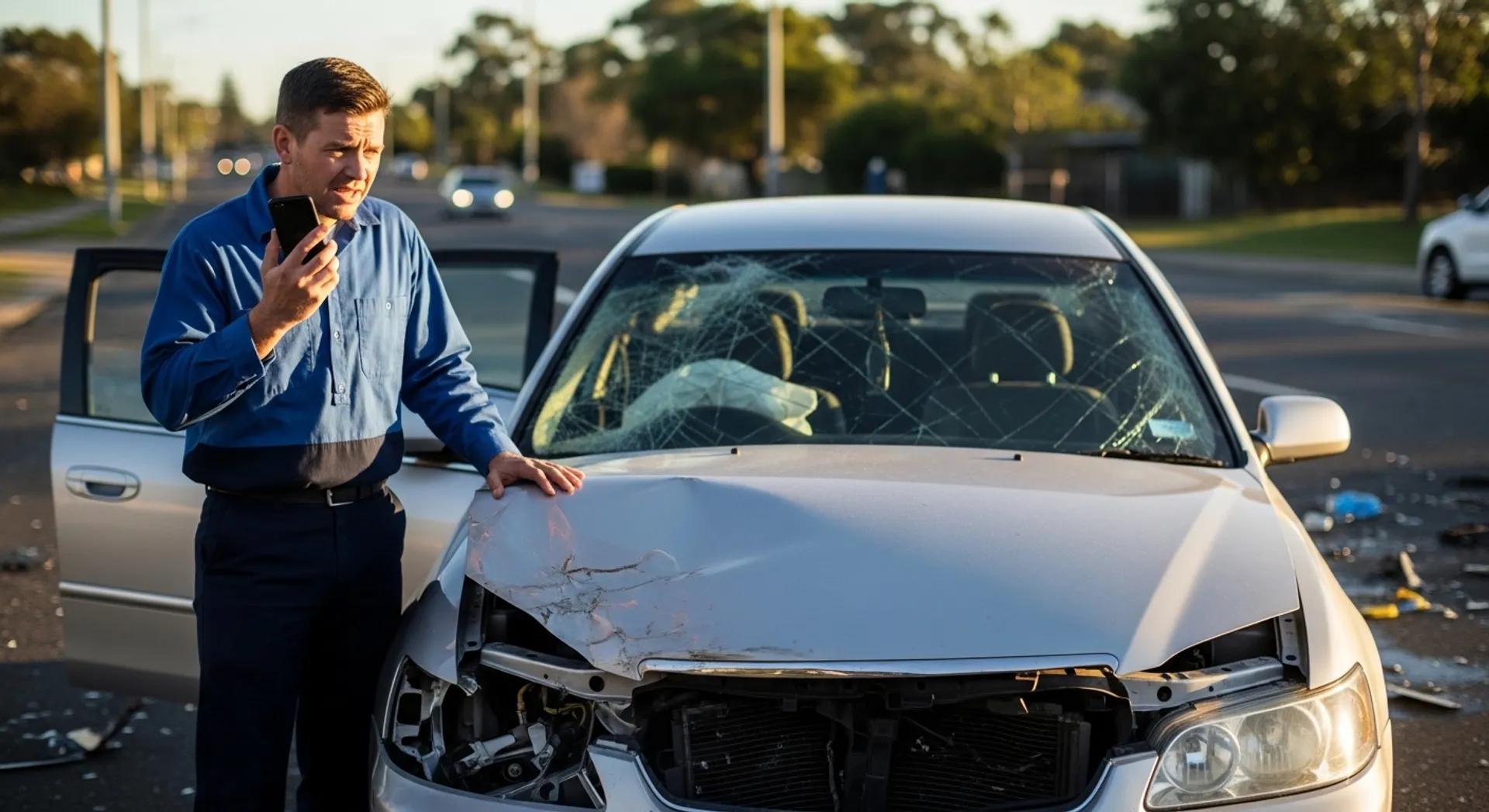
Distracted driving cases are getting more complicated in 2026, not because the law suddenly changed everywhere at once, but because the evidence is changing fast. A few years ago, many people thought about distraction in simple terms. Was the driver texting? Were they looking down at their phone? Did a witness see them holding something? Those questions still matter, but modern crash claims now involve much more than a quick glance at a screen.
Today, a distracted-driving claim may involve app timestamps, call logs, video streaming activity, navigation usage, Bluetooth connections, infotainment screens, dashcam footage, vehicle event data, and even the timing of deleted messages or account activity. That does not mean every crash automatically turns into a digital forensics case. It means that when liability is disputed, the evidence trail may be much deeper than many injury victims realize.
This matters because distracted drivers rarely admit what they were doing. After a crash, people tend to minimize, deflect, or say they “just looked for a second.” Insurance companies may also resist paying full value unless the distraction evidence is clear. If the claim comes down to one person’s word against another’s, digital evidence can make the difference between a weak accusation and a strong liability case.
For injury victims, the key point is simple: if you suspect the other driver was distracted, do not assume the truth will reveal itself automatically. In many cases, distraction has to be proven through careful documentation, preserved records, and timing evidence that matches the crash.
Why distracted-driving evidence matters more now
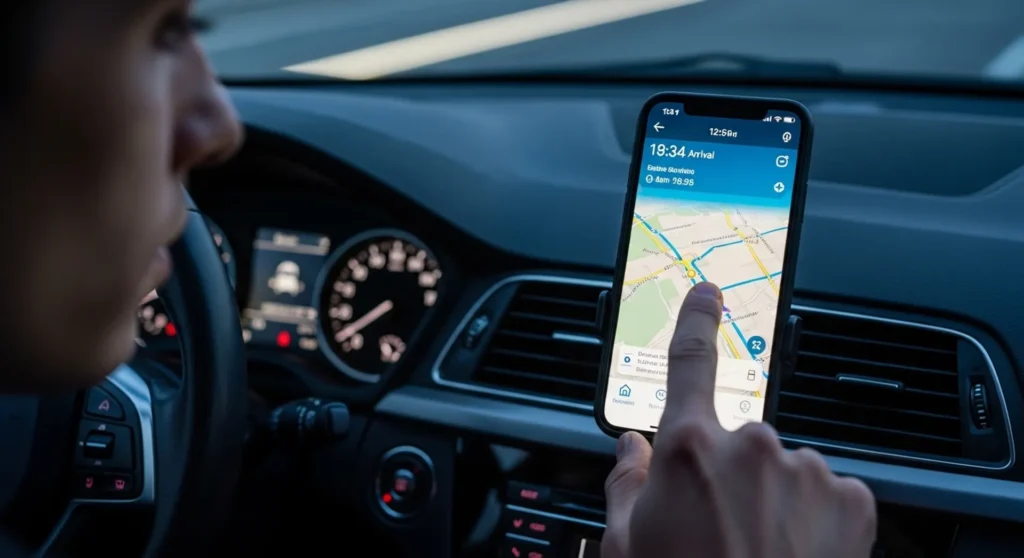
Modern driving is full of distractions that did not exist at the same scale a decade ago. Phones are obvious, but they are only part of the picture. Drivers now interact with messaging apps, social platforms, streaming video, in-car touchscreens, navigation systems, voice assistants, and semi-automated vehicle features that can create a false sense of safety.
That matters because distraction is no longer limited to one behavior. A driver might be reading a text, choosing music, checking a map, opening a social app, watching short-form video, typing into a touchscreen, or relying too heavily on a driver-assistance system while paying attention to something else. The legal issue stays familiar: did the driver fail to use reasonable care? But the proof often comes from newer sources.
Drivers deny distraction all the time
It is common for a driver to deny using their phone right after a collision. Sometimes that denial is direct. Sometimes it sounds softer, like “I only touched the GPS” or “I was using hands-free.” In a claim, those details matter. Some actions may still support negligence even if the device was not physically in the driver’s hand.
Digital evidence can cut through vague stories
When the timeline shows a driver opened a video app, sent a message, changed a playlist, or interacted with a device seconds before impact, that evidence can become powerful. It does not always prove the whole case by itself, but it can strongly support fault.
Insurance companies pay attention when the proof gets specific
A general accusation is easy for an insurer to push back on. A well-supported timeline is harder to dismiss. That is one reason early evidence preservation can matter so much in distracted-driving claims.
What kinds of evidence can help prove distracted driving?
There is no single magic document in every case. The strongest claims usually pull together several pieces of evidence that tell the same story.
Phone records and call logs
Phone records may show calls, texts, and activity timing close to the crash. On their own, they do not always prove what the driver was looking at in the exact second before impact, but they can support the broader timeline.
App usage and account activity
In some cases, app activity becomes more revealing than standard call records. Messaging, social media, streaming, video, and navigation apps may leave timestamps that help show what the driver was doing around the time of the collision.
Vehicle data and infotainment evidence
Newer vehicles may store event data or interaction history that helps show speed, braking, steering input, and sometimes user interaction with in-car systems. That can matter when a driver claims they were fully attentive even though the vehicle response suggests otherwise.
Dashcams, traffic cameras, and witness statements
Video footage and eyewitness observations still matter. A witness who saw the driver holding a phone, looking down repeatedly, or drifting before impact can support the digital trail. Video can be even more powerful when it exists.
The best claims usually combine digital and human evidence
One piece of evidence may raise suspicion. Several aligned pieces of evidence build a stronger case. A witness statement, a crash report, app timestamps, and vehicle response data together are much harder to explain away.
What should an injured person do right after a crash if distraction is suspected?
The biggest mistake is waiting too long. Digital evidence can disappear, get overwritten, or become harder to obtain if no one moves quickly to preserve it.
Document the scene immediately if you can
Take photos of vehicle positions, damage, skid marks, traffic controls, debris, and anything that may help reconstruct what happened. If the other driver says something like “I didn’t see you” or “I just looked down,” make a note of it as soon as possible.
Get witness names before they vanish
Independent witnesses are often strongest right after the crash. If someone saw the other driver looking at a phone or driving erratically, get their contact information before they leave.
Report what you observed
If you saw the other driver using a phone, holding a device, looking down, or drifting strangely before impact, tell the responding officer what you observed. Do not exaggerate. Just be specific and direct.
Do not assume the police report will capture everything
Police reports are useful, but they are not perfect. Some officers document distraction clearly. Others do not. That is why your own documentation still matters.
Why timing matters so much in these claims
In distracted-driving cases, timing can be everything. A driver may admit using a device earlier but deny using it at the moment of impact. The closer the digital activity sits to the crash, the more important it becomes.
Seconds matter more than general habits
It helps if the driver has a pattern of unsafe behavior, but the real focus is what happened around the crash itself. A notification, app interaction, outgoing message, or screen activity within moments of impact can become central evidence.
Deleted activity is not always gone forever
Some people try to clean up their phones after a crash. That does not always solve their problem. Depending on the facts and the legal process, deleted material or account activity may still leave useful traces.
Delay can weaken leverage
If a case sits too long without proper action, valuable records may disappear through normal retention limits, device replacement, app log changes, or simple lack of preservation. That can make proving distraction harder than it needed to be.
This is why early legal strategy matters
You do not need to assume every crash requires a lawsuit on day one. But when distraction is suspected, it is smart to think early about preserving the evidence before it fades.
How insurers often fight these claims
Insurance companies do not usually volunteer the strongest version of your case. If distraction is not obvious, they may frame the crash as a routine mistake, disputed lane change, sudden stop, or simple “he said, she said” event.
They may argue there is no direct proof
This is common when the driver denies phone use and the report does not clearly mention distraction. The insurer may act like suspicion is not enough, even when the surrounding facts strongly point in one direction.
They may try to narrow the evidence
An insurer may focus only on whether the driver was texting, while ignoring other distracting behaviors like video use, app interaction, touchscreen input, or navigation handling.
They may push for a quick low settlement
If your injuries look manageable at first and liability seems unsettled, the insurer may try to close the case before the evidence picture becomes stronger.
The stronger the liability proof, the harder lowball tactics become
When fault becomes clearer, insurers lose some of the leverage they use to pressure injured people into cheap resolutions.
Bottom line
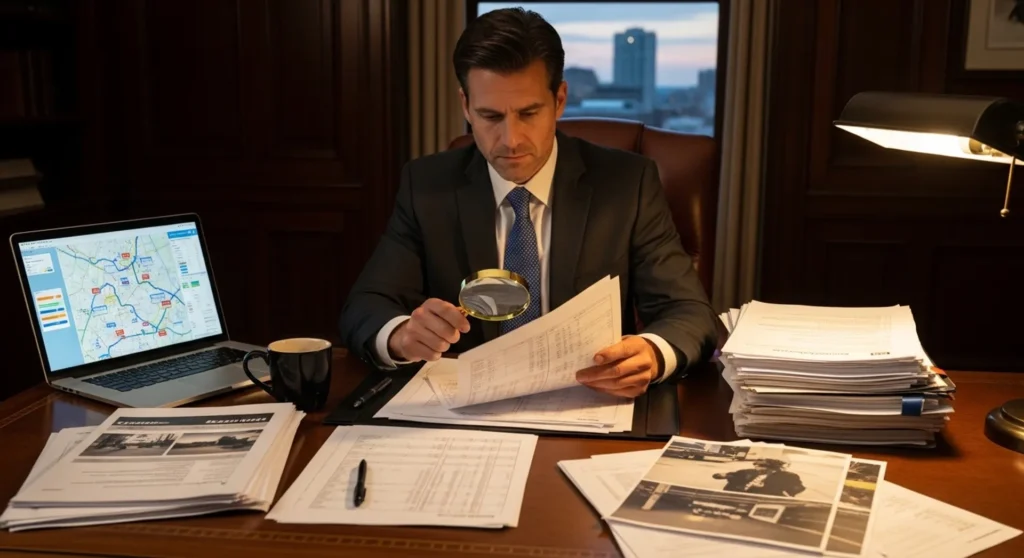
Distracted-driving claims in 2026 are no longer just about whether someone admits they were texting. The real evidence may come from app activity, phone timing, infotainment interaction, witness statements, camera footage, and digital records that build a credible crash timeline.
If you were injured and believe the other driver was distracted, treat that concern seriously from the start. Get medical care, document what you can, preserve witness information, and do not assume the evidence will protect itself. In the strongest cases, the proof is often there. The key is making sure it is found before it disappears.
General information only. Laws and evidence rules vary by state, and specific legal advice should come from a licensed attorney reviewing the actual facts.