

After an accident, many injury victims are shocked when they receive an insurance settlement offer that barely covers their medical bills. These low settlement offers, commonly referred to as insurance lowball injury claims, are not mistakes. They are part of a calculated strategy used by insurance companies to protect their profits.
Understanding why insurers lowball injury claims and how to respond can make a significant difference in whether you receive fair compensation or settle for far less than your case is worth.
What Is a Lowball Settlement Offer?
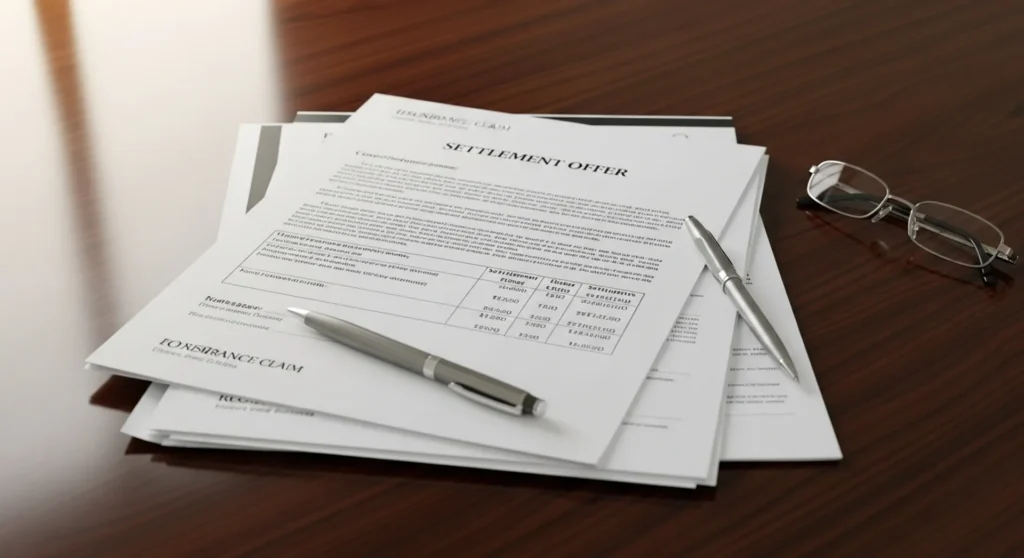
A lowball settlement offer is an initial compensation proposal that does not reflect the true value of an injury claim. These offers often fail to account for future medical treatment, lost earning capacity, pain and suffering, or long-term effects of the injury.
Insurance companies frequently present low offers early in the claims process, hoping claimants will accept them before understanding the full extent of their injuries.
Why Insurance Companies Lowball Injury Claims
Insurance companies are businesses. Their primary goal is to minimize payouts while maximizing profits. Lowball settlement offers help them achieve this objective.
Some of the most common reasons insurers lowball injury claims include:
- Profit protection: Lower payouts increase company profitability.
- Claim volume: Settling cases quickly reduces administrative costs.
- Lack of representation: Unrepresented claimants are easier to pressure.
- Uncertainty about injuries: Insurers exploit delayed or unclear diagnoses.
These tactics are especially effective against individuals who are unfamiliar with the personal injury claims process.
How Insurance Adjusters Evaluate Injury Claims
Insurance adjusters use formulas and internal software to evaluate claims. These tools often rely heavily on medical bills and documented treatment, while undervaluing non-economic damages such as pain, emotional distress, and reduced quality of life.
Adjusters may also question the severity of injuries or argue that pre-existing conditions contributed to the pain. This approach allows insurers to justify offering less compensation.
Common Tactics Used to Justify Low Offers
Insurance companies use several strategies to support insurance lowball injury claims:
- Delaying claim processing to pressure victims financially
- Disputing medical necessity of treatment
- Claiming injuries were pre-existing
- Requesting recorded statements to find inconsistencies
- Downplaying pain and long-term effects
These tactics are designed to weaken claims and discourage negotiation.
The Role of Medical Documentation
Strong medical documentation is one of the most important factors in countering low settlement offers. Insurance companies rely heavily on medical records to evaluate injury severity and treatment necessity.
Gaps in treatment, delayed care, or incomplete records can significantly reduce the value of a claim. This is why seeking immediate medical attention and following treatment recommendations is critical.
Why Early Settlement Offers Are Risky
Accepting an early settlement offer can be risky, especially if injuries worsen over time. Once a settlement is accepted, claimants typically waive the right to seek additional compensation.
According to the National Association of Insurance Commissioners, consumers should fully understand settlement terms before agreeing to any resolution.
How a Personal Injury Lawyer Helps Counter Lowball Offers
Legal representation changes how insurance companies approach claims. When a claimant is represented by a lawyer, insurers know the case is less likely to settle for an unfair amount.
A personal injury lawyer can:
- Calculate the full value of damages
- Gather medical and expert evidence
- Negotiate aggressively with insurers
- Prepare the case for litigation if necessary
Having legal support often leads to significantly higher settlement offers.
When Lowball Offers Turn Into Litigation
If negotiations fail, filing a lawsuit may be the next step. Litigation demonstrates that the injured party is serious about pursuing fair compensation.
Even the preparation for litigation can encourage insurers to reassess their position and increase settlement offers.
What Injury Victims Should Do After Receiving a Low Offer

If you receive a settlement offer that seems unfair, consider taking these steps:
- Do not accept or sign anything immediately.
- Request a written explanation of how the offer was calculated.
- Continue medical treatment and documentation.
- Consult a personal injury attorney.
- Review your legal options before responding.
Taking a measured approach can help prevent costly mistakes.
Why Timing Matters in Injury Claims
Insurance companies often use time pressure to their advantage. Injured individuals facing mounting medical bills may feel compelled to accept inadequate offers.
Understanding the true value of a claim takes time, especially when injuries require ongoing treatment.
Learn More About Our Approach
At Lesion Personal, we focus on protecting injury victims from unfair insurance practices. Our approach emphasizes preparation, documentation, and strategic negotiation.
You can learn more about our commitment to clients on our About Us page.
Final Thoughts on Insurance Lowball Injury Claims
Insurance lowball injury claims are a common tactic designed to reduce payouts, not to reflect the true impact of an injury. Understanding how and why insurers use these strategies can help injury victims protect their rights.
If you believe your claim has been undervalued, seeking legal guidance can help ensure that your case is taken seriously and evaluated fairly.