
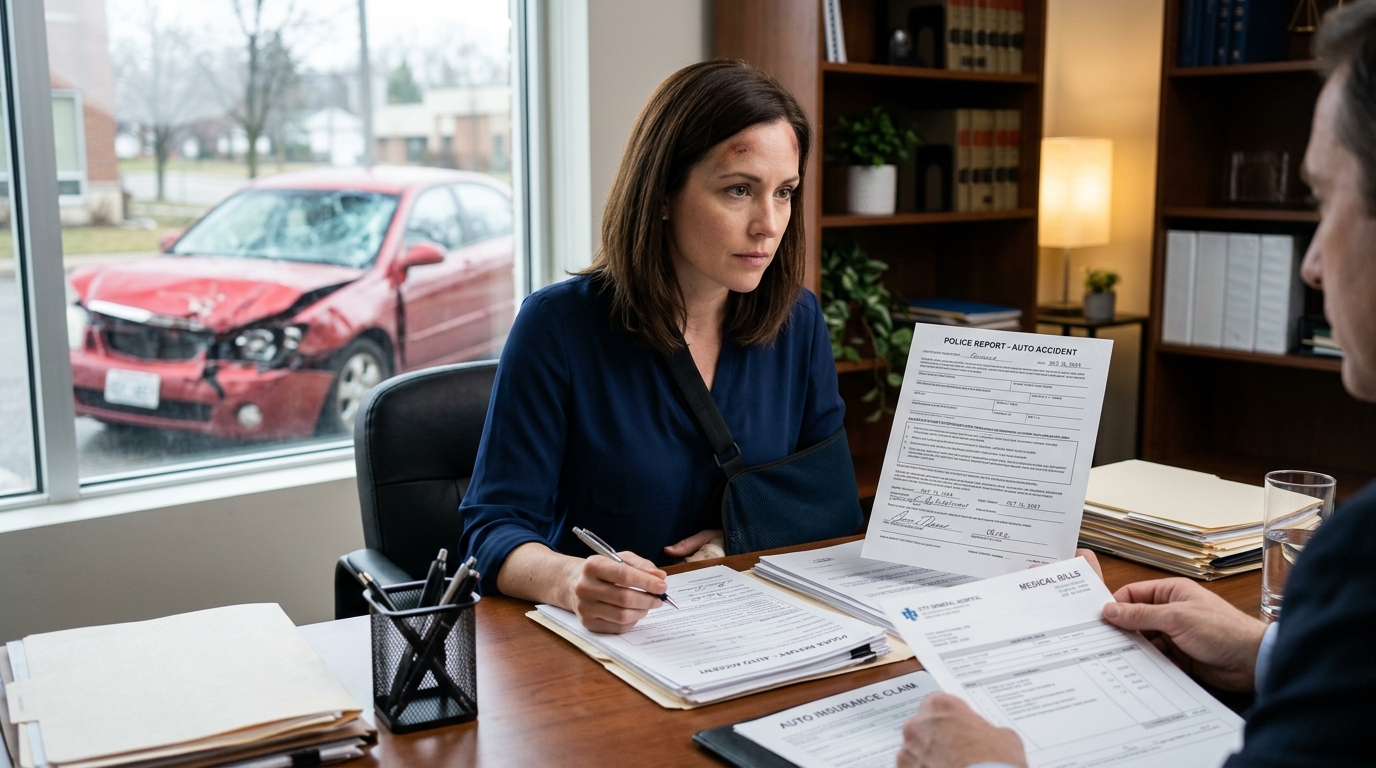
Uninsured and underinsured motorist injury claims are becoming more important in 2026 because many accident victims discover a hard truth after a crash: the at-fault driver may not have enough insurance to cover the damage. A driver can cause serious injuries, total a vehicle, and still have little or no available coverage. When that happens, the victim may be left asking who pays for medical bills, lost income, therapy, pain, and long-term recovery.
This problem is frustrating because most people assume car insurance will solve the financial side of an accident. In reality, insurance coverage has limits. Some drivers carry no insurance at all. Others carry only the minimum required by their state. Some have coverage, but not enough for the injuries they caused. Hit-and-run crashes can create the same problem because the responsible driver may never be identified.
If you were injured in a crash, the question is not only whether the other driver was at fault. You also need to know what insurance coverage exists, whether your own policy may apply, and what evidence is needed before the insurer starts limiting the claim. A strong injury claim has to prove both liability and damages, but it also has to identify every possible source of recovery.
Why Uninsured and Underinsured Claims Are Different From Ordinary Accident Claims
In a typical car accident claim, the injured person usually files against the at-fault driver’s liability insurance. That insurance may pay for medical expenses, lost wages, vehicle damage, and pain and suffering up to the policy limits. If the available coverage is enough, the claim may proceed like a standard injury case.
Uninsured and underinsured claims are different because the at-fault driver’s coverage is missing or inadequate. An uninsured driver has no valid insurance available for the crash. An underinsured driver has insurance, but the limits are too low to fully cover the victim’s losses. In those situations, the injured person may need to look at their own auto insurance policy for uninsured motorist or underinsured motorist coverage.
This is where many victims get confused. Your own insurance company may become involved even though you did not cause the crash. That does not mean the process will automatically be friendly. Your insurer may still investigate the claim, question the injuries, review medical treatment, and dispute the value of damages.
Why minimum coverage may not cover serious injuries
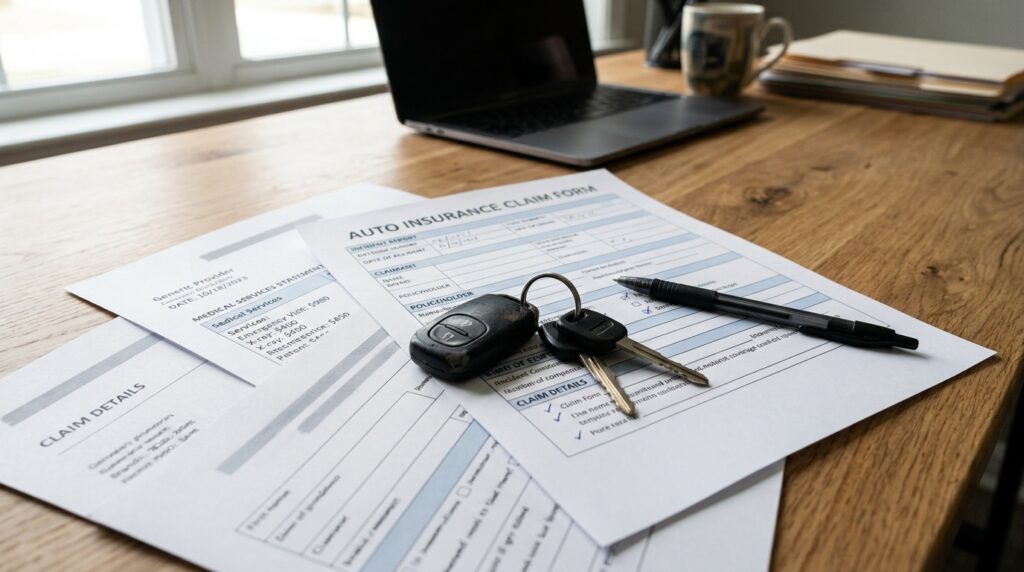
Minimum insurance limits can look useful on paper, but they may fall short after a serious accident. One emergency room visit, ambulance bill, imaging study, specialist appointment, surgery, or physical therapy plan can quickly consume available coverage. If the victim misses work or develops long-term pain, the losses can become much larger than the at-fault driver’s policy.
This is especially true in crashes involving pedestrians, motorcyclists, bicyclists, rideshare passengers, delivery vehicles, or high-impact collisions. The force of the crash may create injuries that last for months or years. A quick settlement based only on early medical bills may ignore future care, reduced earning ability, and the daily impact of pain.
Medical bills can exceed coverage quickly
Medical expenses often grow faster than victims expect. The first bill may only show the emergency room visit. Later bills may include follow-up care, physical therapy, orthopedic evaluations, pain management, surgery consultations, medication, and diagnostic testing. If the insurance company only looks at the first few records, the claim may be undervalued.
This is why delayed symptoms should not be ignored. Neck pain, back pain, headaches, numbness, shoulder pain, knee injuries, and concussion symptoms can appear or worsen after the first day. If symptoms show up later, medical documentation becomes critical. You can learn more in this related guide: Injury Symptoms That Appear Days After a Car Accident.
Hit-and-run crashes need fast evidence
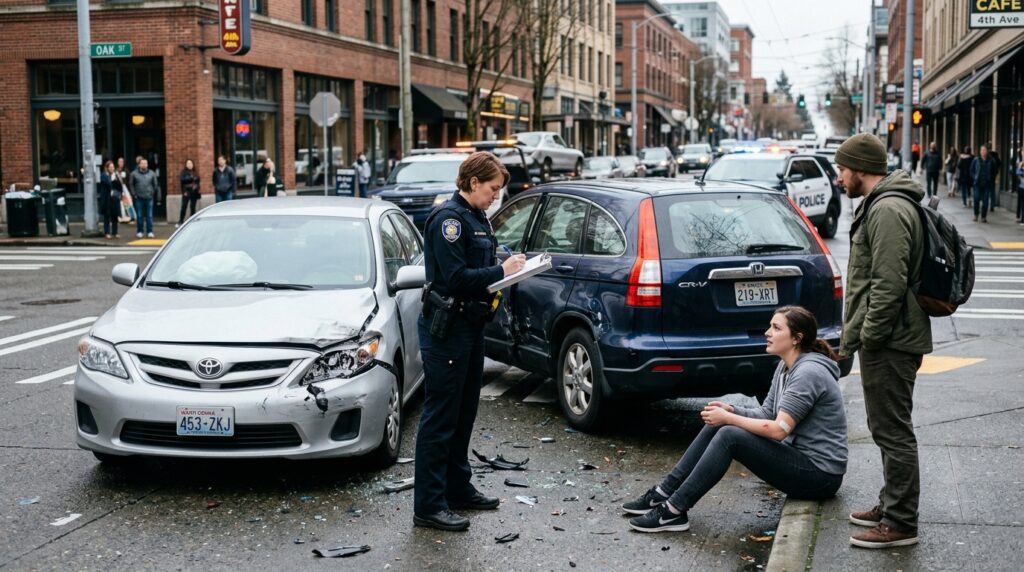
Hit-and-run claims can be especially difficult because the responsible driver may disappear before police arrive. In those cases, evidence matters immediately. Photos, video footage, witness names, license plate details, vehicle descriptions, dashcam recordings, nearby business cameras, and police reports can all help prove what happened.
If the driver is never found, uninsured motorist coverage may become important. However, insurers may require proof that a hit-and-run actually occurred. That means victims should report the crash, document the scene, seek medical care, and avoid waiting too long to notify the insurance company.
Why your own policy may matter
Many accident victims do not review their own policy until after a crash. That is a mistake. Your own policy may include uninsured motorist coverage, underinsured motorist coverage, medical payments coverage, collision coverage, or other benefits that help after an accident. The exact options depend on your state, policy terms, and coverage selections.
Uninsured motorist coverage may apply when the at-fault driver has no insurance or when the crash involves a qualifying hit-and-run. Underinsured motorist coverage may apply when the at-fault driver has insurance, but not enough to pay the full value of the injury claim. These coverages can become a financial safety net, but they still require documentation.
For a general insurance explanation, the Insurance Information Institute provides information about uninsured and underinsured motorist coverage here: Facts + Statistics: Uninsured Motorists.
UM and UIM are not the same thing
Uninsured motorist coverage and underinsured motorist coverage sound similar, but they are not identical. Uninsured motorist coverage usually deals with a driver who has no insurance. Underinsured motorist coverage deals with a driver who has some insurance, but not enough. The difference matters because notice requirements, claim steps, and available compensation may vary.
Do not assume the insurance adjuster will explain every option clearly. Adjusters work for the insurance company. Their job is to evaluate and control payouts. If the claim involves serious injuries, disputed fault, missing coverage, or a low offer, it may be time to get legal guidance. Read this related article: When Should You Hire a Personal Injury Lawyer After an Accident?.
How to Protect an Injury Claim When Coverage Is Limited
When insurance coverage is limited, every mistake matters more. A weak statement, missed appointment, missing witness, or early settlement can reduce the claim before the full damages are known. The goal is to preserve evidence, document injuries, identify coverage, and avoid giving the insurance company easy reasons to pay less.
Start with medical care. Do not wait to see whether pain goes away. Follow treatment recommendations and keep records of appointments, prescriptions, imaging, work restrictions, and therapy. Gaps in treatment may be used to argue that your injuries were not serious or were not connected to the crash.
Next, preserve accident evidence. Take photos of the vehicles, road conditions, traffic lights, signs, debris, skid marks, visible injuries, and the crash location. Get witness information if possible. If the crash involved a pedestrian, larger vehicle, night conditions, or disputed fault, evidence becomes even more important. This related guide explains more: Pedestrian Accident Claims in 2026.
Evidence and timing can decide the claim
Uninsured and underinsured claims often require more than proving the other driver was careless. You may also need to prove the value of your damages and show why the available coverage is not enough. Medical records, wage loss documents, expert opinions, repair estimates, photos, and consistent treatment can all strengthen the claim.
Be careful with recorded statements. Insurance companies may ask questions in a way that makes your injuries sound minor, your memory uncertain, or your activities inconsistent. You may be asked whether you are “doing better” before you know the full diagnosis. A simple answer can later be used to reduce the claim.
Also be cautious with early settlement offers. If the insurer offers money quickly, that does not mean the amount is fair. It may mean the company wants to close the claim before future treatment, lost income, or long-term pain are fully understood. For more on this tactic, read Why Insurance Companies Lowball Injury Claims.
Do not assume the insurer will explain every option
The final rule is simple: do not rely on the insurance company to protect your claim. Ask what coverage exists. Ask for policy limits when appropriate. Review your own policy. Keep medical documentation organized. Do not sign a release until you understand what rights you are giving up.
Final Thoughts: Uninsured and underinsured motorist injury claims in 2026 require fast action and careful documentation. The at-fault driver may have no insurance, too little insurance, or may flee the scene. Your own policy may help, but your insurer may still challenge the value of the claim. Protect yourself by getting medical care, preserving evidence, reviewing all available coverage, avoiding rushed statements, and refusing to settle before the full impact of your injuries is known. A crash with limited insurance can become financially dangerous, but the right strategy can help protect your recovery and your future.