
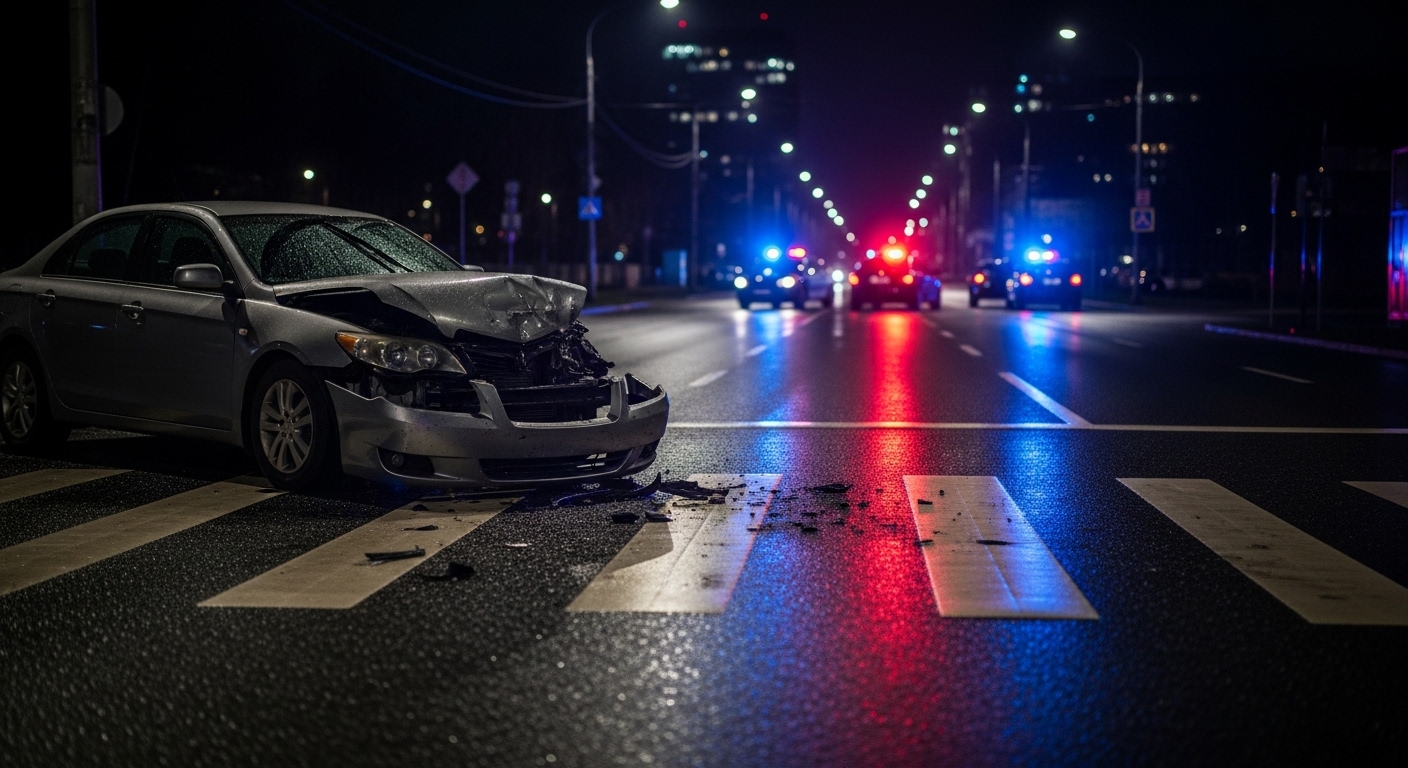
Pedestrian accident claims are becoming more important in 2026. People walking near traffic face serious risks every day. A pedestrian does not have a seat belt, airbag, or steel frame for protection. When a car, SUV, truck, or delivery vehicle hits someone, the injuries can change a life fast.
These cases can also become difficult quickly. Drivers may blame the pedestrian. Insurance companies may say the person crossed too late, wore dark clothing, or stepped out suddenly. They may also argue that the driver could not avoid the crash.
That is why evidence matters. A strong claim does not only show that a pedestrian was hit. It shows how the crash happened, who had the duty to avoid it, and how the injuries affected the victim’s life. The better the proof, the harder it becomes for an insurer to deny fault or offer a low settlement.
Many pedestrian crashes involve the same issues seen in other injury claims. These include distracted driving, poor visibility, speeding, unsafe turns, delayed symptoms, and insurance pressure. A careful investigation can help protect the injured person from unfair blame.
Why Pedestrian Accident Claims Are A Major 2026 Injury Topic
Pedestrian crashes can happen almost anywhere. They happen at crosswalks, parking lots, sidewalks, school zones, apartment complexes, and busy intersections. Many victims were doing normal daily activities. They may have been walking to work, crossing after school, jogging, or walking through a store parking lot.
The injuries can be serious because the pedestrian absorbs the force of the impact. A crash may cause broken bones, head injuries, spinal injuries, torn ligaments, internal injuries, deep bruising, or long-term pain. Some victims need surgery, therapy, and months of recovery.
Nighttime Crashes Can Make Fault Harder To Prove
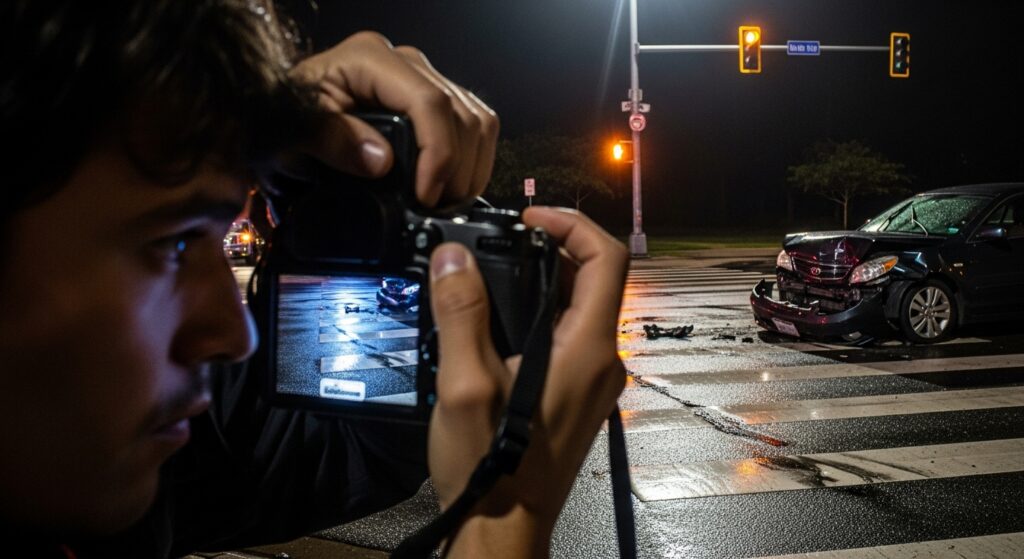
Many serious pedestrian crashes happen at night. These cases often raise questions about lighting, speed, visibility, and driver attention. Insurance companies may focus on whether the pedestrian was easy to see. That argument can sound convincing, but it does not always excuse the driver.
Drivers must adjust to road conditions. They should slow down when visibility is poor. They should also watch carefully near intersections, crosswalks, parking lots, and areas with foot traffic. A driver who speeds, turns too fast, or looks away may still be responsible.
Photos from the scene can help show what really happened. Useful photos may include streetlights, crosswalk lines, traffic signals, road signs, nearby cameras, weather conditions, and vehicle damage. Video footage from nearby homes or businesses can also help prove fault.
Dark Clothing Does Not Automatically Defeat A Claim
Insurance adjusters may focus on dark clothing after a night crash. They may say the driver had no chance to see the pedestrian. That detail can matter, but it does not decide the whole case.
The bigger question is simple. Could a careful driver have avoided the crash? If the driver was speeding, distracted, or turning without checking the crosswalk, the pedestrian may still have a valid claim.
Larger Vehicles Can Create Bigger Risks For Pedestrians
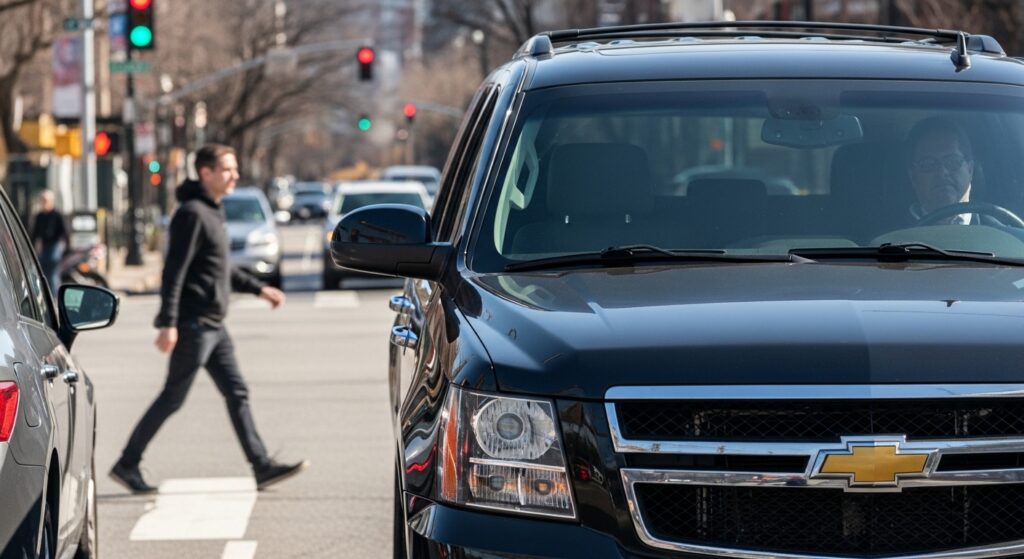
SUVs, pickups, and larger vehicles are common on the road. These vehicles can help families and workers, but they can also increase pedestrian risks. Their height, hood shape, and blind zones may make it harder for drivers to see people near the front or side of the vehicle.
This issue can matter in a personal injury claim. A driver may say the pedestrian “came out of nowhere.” A proper investigation may show a different story. The driver may have turned too quickly, failed to scan the crosswalk, or ignored the risk created by the vehicle’s blind zone.
For a trusted safety source, readers can review the IIHS report on large vehicle blind zones and pedestrian crashes.
Turning Crashes Need Careful Review
Many pedestrian crashes happen while a driver turns. The driver may focus on traffic and forget to check the crosswalk. This often happens during left turns, right turns on red, or rushed turns at busy intersections.
These cases need strong evidence. Traffic signal timing, camera footage, witness statements, vehicle damage, and road layout can all matter. A lawyer or investigator may also check whether the driver had enough time to stop.
What Evidence Can Strengthen A Pedestrian Injury Claim
The strongest pedestrian accident claims usually include several types of proof. Scene photos, medical records, witness statements, police reports, and camera footage can all support the case. The goal is to show what happened before the insurance company controls the story.
Time matters after a pedestrian crash. Video footage may get erased. Witnesses may leave the area. Road conditions may change. The vehicle may get repaired. Fast action can help protect important evidence.
Crash Scene Evidence Can Change The Case
Scene evidence can show details that people forget later. Important proof may include the vehicle’s final position, the point of impact, debris, skid marks, crosswalk markings, road signs, nearby cameras, and traffic lights.
The police report can help, but it may not include every detail. Sometimes the injured pedestrian goes to the hospital before giving a full statement. That can leave the driver’s version as the main story in the report. Extra evidence can help correct that problem.
Distracted driving evidence may also matter. Phone use, app activity, dashboard screens, navigation systems, and vehicle data can help explain why a driver failed to see a pedestrian. You can read more in our guide on phone data, app activity, and in-car tech evidence.
Medical Records Should Start Early
A pedestrian should get medical care as soon as possible after a crash. Pain does not always appear right away. Adrenaline can hide injuries during the first few hours.
Watch for headaches, dizziness, neck pain, back pain, numbness, confusion, stomach pain, or worsening soreness. These symptoms may point to serious injuries. Medical records can also connect the injuries to the crash.
Delayed symptoms are common after accidents. Our article on injury symptoms that appear days after a car accident explains why victims should not ignore new pain after a collision.
Do Not Let The Insurance Company Control The Story
Insurance companies often move quickly after a pedestrian crash. They may ask for a recorded statement. They may request broad medical records. They may also suggest that the pedestrian caused the crash.
Be careful before accepting a fast offer. A quick settlement may not cover future treatment, lost income, pain, therapy, or long-term problems. Once a victim signs a release, the claim usually ends.
Our post on why insurance companies lowball injury claims explains how insurers may reduce claim value after an accident.
For broader safety information, readers can also visit the NHTSA pedestrian safety page.
In the end, pedestrian accident claims need fast action and strong proof. The injured person should not accept blame without a full review of the facts. A driver may have been speeding, distracted, careless, or unable to see because of poor vehicle visibility.
After a pedestrian crash, get medical care, document symptoms, save photos, identify witnesses, and avoid rushed insurance decisions. The sooner the facts are protected, the stronger the injury claim can become.