
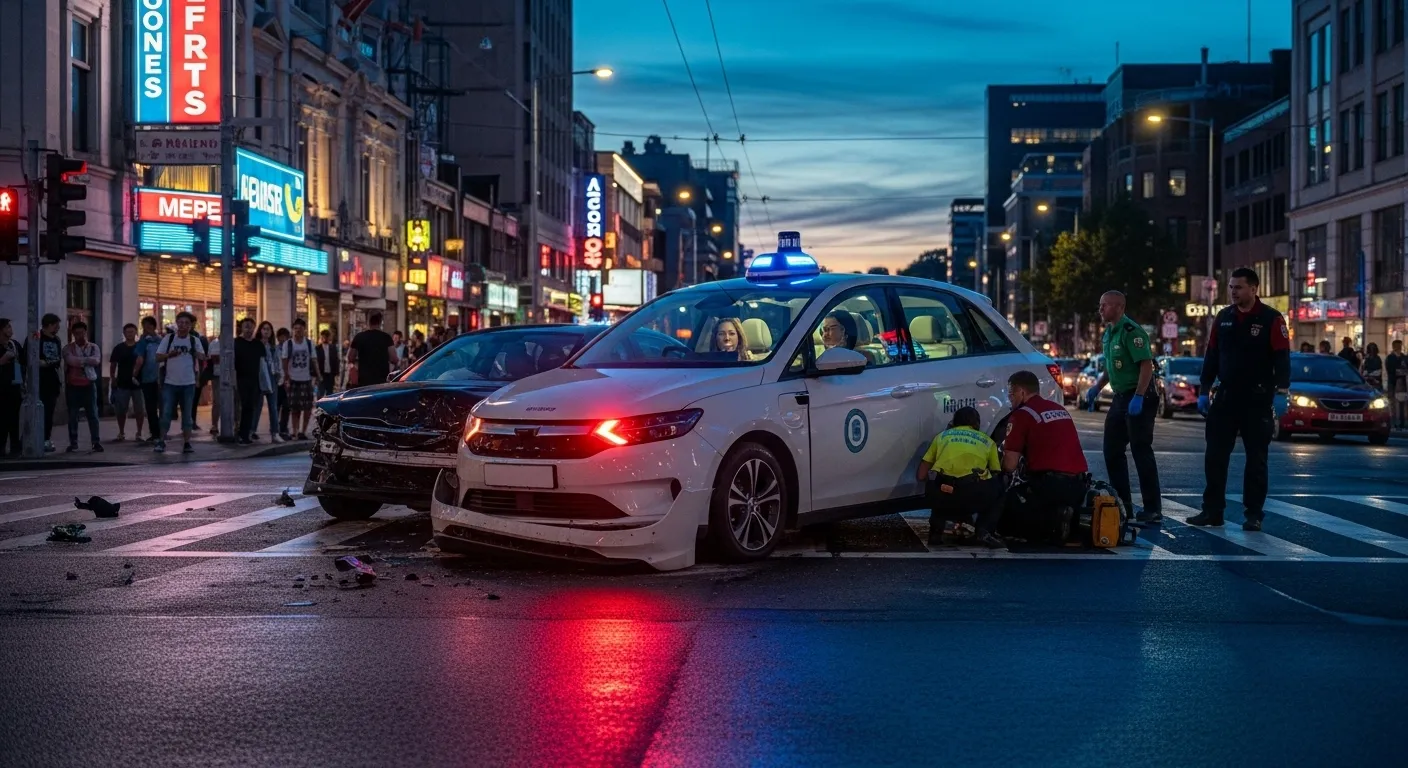
Robotaxi accidents in 2026 are becoming a bigger personal injury topic because self-driving vehicles are no longer just a future idea. They are now part of real traffic, real rides, and real injury claims. For someone hurt in one of these crashes, the first question often feels simple: who is at fault? However, robotaxi cases can get more complicated than standard car accident claims very quickly.
In a normal crash, most people start by looking at the drivers, the police report, and the insurance carriers involved. In a robotaxi case, the same basics still matter, but the claim can expand fast. The ride company, fleet operator, software system, vehicle manufacturer, remote support team, or another driver may all become part of the legal picture. That is why these cases feel new to so many injured victims. The crash may happen on a normal street, but the liability questions can look very different.
This topic fits naturally with what Lesion Personal already publishes. Your blog already covers Phone Data, App Activity, and In-Car Tech: What Can Prove Distracted Driving in a 2026 Injury Claim?, Watching TikTok While Driving: How Video Streaming Can Change Liability After a Crash, E-Scooter Accidents: Who’s Liable and What Evidence Wins the Claim?, Injury Symptoms That Appear Days After a Car Accident, and Rear-End Accidents: Who Is Really at Fault?. A robotaxi article builds on those posts instead of pulling your blog in a random direction.
Why Robotaxi Crashes Are a Bigger Injury Topic in 2026
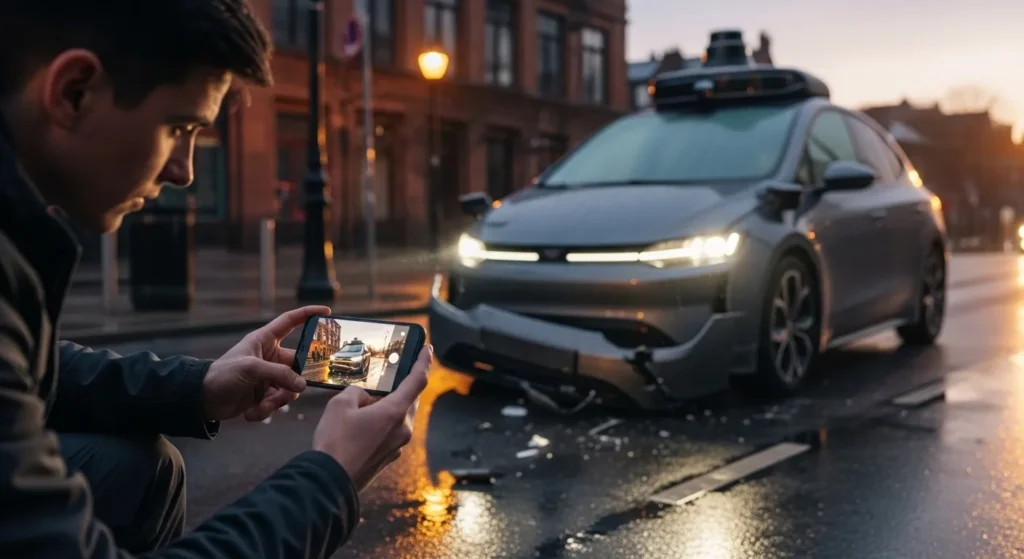
Robotaxi accidents in 2026 are getting more attention because autonomous rides are expanding into normal daily transportation. Once that happens, injury claims stop being a niche legal question. Passengers, other drivers, cyclists, and pedestrians all become part of the same risk picture. The technology may be advanced, but the injuries after a crash are still very human: neck pain, concussions, fractures, missed work, and long disputes with insurers.
Why this topic fits 2026 injury law
A few years ago, many people treated autonomous vehicle liability like a futuristic legal issue. Today, that is no longer accurate. More people are sharing roads with self-driving vehicles, and that creates new claim situations. Someone may be injured while riding inside the robotaxi. Another person may be hit by one at an intersection. A third may be struck by another car that reacts badly around an autonomous vehicle. In all of those situations, the injured victim still needs the same thing: a clear path to prove liability and damages.
Robotaxi expansion means more real-world crash questions
As more autonomous vehicles operate in busy cities, the legal questions get more practical. Was the vehicle fully autonomous at the time of the crash? Was a remote support team involved? Did another driver cause the crash while the robotaxi happened to be there? Did the vehicle stop in an unsafe way, fail to respond, or create a chain reaction? These questions matter because they affect which insurance policies, companies, and records may become relevant.
This is one reason the topic works so well beside your existing distracted driving content. Traditional crashes often turn on phone use, app activity, or careless human decisions. Robotaxi cases may still include those same issues, but they can add another layer: whether the autonomous system, platform operator, or manufacturer contributed to the event too.
Reporting rules and emergency-response laws change the evidence picture
Another reason these claims matter in 2026 is that autonomous vehicle crashes sit inside a different reporting and regulatory environment than ordinary wrecks. That does not automatically make the victim’s case easier, but it does mean additional data may exist. There may be ride-app information, trip records, onboard sensors, camera footage, remote operator logs, emergency-response communications, and company incident records. In a standard car accident, victims often worry whether enough evidence exists. In a robotaxi crash, the problem may be the opposite: evidence exists, but injured people do not know what to preserve or request.
Who may be liable after a robotaxi crash
There is no one-size-fits-all defendant in a robotaxi case. Sometimes the robotaxi company may be the main focus. Sometimes a human driver in another car is clearly at fault. In other cases, liability may involve multiple parties at once. That is why victims should resist the urge to simplify the case too early.
For example, if another driver rear-ends a robotaxi, the facts may look similar to a normal crash. On the other hand, if the autonomous vehicle stopped abruptly, blocked traffic, or behaved unpredictably before impact, the analysis may widen. If the injured person was a passenger inside the robotaxi, the ride operator’s records and internal data may become far more important than in a typical claim. If the crash involves pedestrians or cyclists, scene evidence and vehicle movement become even more critical.
This also links well with your post on When Should You Hire a Personal Injury Lawyer After an Accident?. A minor property-damage case may be straightforward. A robotaxi case usually is not. The liability picture can grow quickly, and early mistakes can make a good claim harder to prove later.
What Injured Victims Should Do Right Away
The most important thing after a robotaxi crash is not winning an argument at the scene. It is protecting your health and your evidence. These claims often involve more digital records than a standard crash, so early steps matter. If you wait too long, app screenshots disappear, vehicle identification gets lost, witnesses become harder to find, and injury timelines become easier for insurers to attack.
Evidence that can make or break the claim
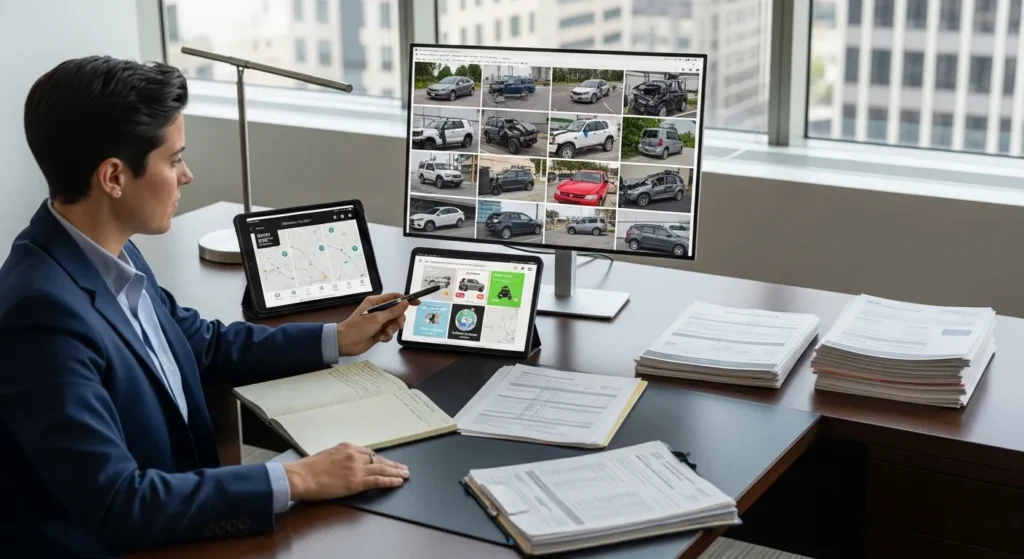
The strongest robotaxi claims usually combine ordinary crash evidence with digital evidence. The ordinary part includes photos of the scene, visible injuries, damage, skid marks, traffic signals, weather, roadway layout, and witness names. The digital part may include ride receipts, app trip history, timestamps, route maps, support messages, account notifications, and any screenshots showing the trip or incident.
What to save immediately after the crash
If you were inside the robotaxi, save everything connected to the ride:
- screenshots of the app ride summary
- pickup and drop-off details
- time of the trip
- vehicle information shown in the app
- messages or alerts sent after the incident
- receipts and account history
If you were another driver, pedestrian, or cyclist, document the scene the same way you would after any serious collision, but pay extra attention to vehicle identity and surrounding cameras. Take wide shots, close shots, and backup copies. If witnesses saw the robotaxi’s movement before the impact, their version may be extremely important later.
This is also where your post on injury symptoms that appear days after a car accident becomes a useful internal link. A person may walk away feeling shaken but “mostly okay,” then develop headache, neck pain, back pain, or concussion symptoms later. In any crash claim, delayed symptoms matter. In a robotaxi case, they matter just as much.
When to get legal help and what mistakes to avoid
Victims often weaken their own case by assuming the company has everything under control. That is a mistake. Another common mistake is giving recorded statements too quickly before they understand their injuries. A third is treating the crash like a weird tech story instead of a real injury claim. The better approach is simpler: get medical care, preserve evidence, track your symptoms, and avoid fast settlement pressure.
If insurers start minimizing the case, your post on Why Insurance Companies Lowball Injury Claims fits naturally here. The technology may be new, but low settlement tactics are not. Companies and carriers still look for gaps in treatment, weak documentation, and uncertainty about fault. That is exactly why good records matter so much.
In the end, robotaxi accidents in 2026 are a strong trend topic because they bring together old injury-law problems and new evidence problems. People still get hurt in familiar ways, but the claim now may involve app records, fleet data, remote support systems, and multiple layers of liability. For injured victims, the smart move is not to overcomplicate the case or underestimate it. It is to treat the crash seriously from the first day.
For an external authority link, use the California DMV’s Autonomous Vehicle Collision Reports page. It is one of the most useful official resources for understanding why autonomous vehicle crash questions are becoming more visible in 2026.